
Easter Staycation: Boost Your Mental Health
Make the Most of Your Easter Break: Science-Backed Tips for a True Recharge
The Easter break is upon us, and how each of us chooses to spend it will be as unique as we are. After what feels like a relentless stretch of challenging weather and long nights this year, we can all agree that this break needs to deliver a genuine sense of respite.
With global uncertainties, the rising cost of living, and a general air of unpredictability, many of us might be opting for a staycation this Easter rather than jetting off overseas. While scrolling through social media might bring on a touch of FOMO as friends and family share snaps from sunnier climes, it’s a good reminder that holidaying at home can be just as, if not more, beneficial for our wellbeing.
The reality of travel often involves significant financial outlay, the stress of navigating the unknown, and logistical hurdles that can, ironically, leave us feeling more worn out than rested, sometimes even returning to work feeling as though we never truly switched off.
But fear not! Here are some surprising, science-backed strategies to help you maximise your holiday time, ensuring you feel genuinely rested, reset, and ready to embrace whatever comes next, starting with a fantastic Easter break.
The Power of the Afternoon Nap
When we discuss sleep, the focus is often on sleep hygiene and maintaining consistent wake and sleep times. However, the science of napping offers a compelling addition to this narrative. Research indicates that a brief five to 15-minute nap, ideally taken between 2pm and 3pm, can significantly enhance mental alertness for several hours afterwards. Making this a regular habit could even contribute to delaying brain ageing by three to six years, as it’s linked to a slower rate of brain shrinkage. The benefits extend further, including improved memory, a better mood, reduced stress levels, and lower blood pressure. Just be mindful: napping for longer than 20 minutes, or too late in the day, can lead to grogginess and interfere with nighttime sleep.
A holiday at home presents the perfect opportunity to indulge in an afternoon nap. Your own bed or sofa offers a familiar and comfortable environment, ideal for resetting your system, without the need to adjust to an unfamiliar bed or the pressure of a packed itinerary that might see you forgetting this simple pleasure.
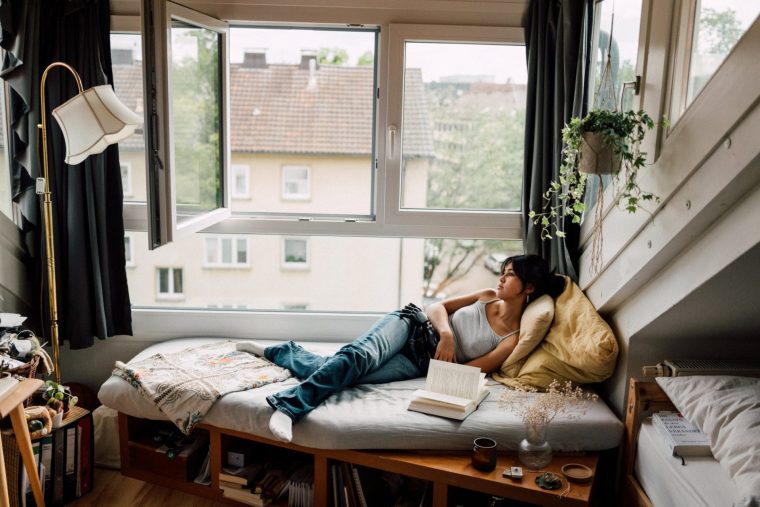
Embrace the Art of Doing Nothing
While planning can be incredibly beneficial, it’s not always the answer. The pressure of needing to be somewhere at a specific time can trigger anxiety, stress, and feelings of overwhelm. This holiday period is an ideal time to consciously not make plans. We must resist the urge to fall into the perfectionist trap, feeling we need to over-compensate with elaborate plans to make our staycation ‘better’ than a trip abroad.
Planning nothing at all allows for spontaneity and flexibility. Unstructured time provides a crucial window for increased self-awareness, enabling us to be present, rest, and truly recharge. Aim to leave at least half of your days completely free. This allows you to tune into how you’re feeling and what you genuinely want to do, activating your brain's Default Mode Network – the very system responsible for spontaneity. Studies show that spontaneous individuals tend to report higher levels of happiness, exhibit greater creativity, possess improved mental flexibility, experience reduced stress, and are better equipped to avoid burnout.
Unplug and Disconnect
This is where strict discipline comes in. To achieve a truly restful and successful holiday at home, it’s imperative to disconnect not only from our digital devices but also from household chores, daily routines, and life admin. The temptation to quickly check emails, tidy that one cupboard, or even start a DIY project is strong. However, science tells us that every time we interrupt our “flow” of being on a break, it takes a significant amount of time to regain that relaxed state.
Research has highlighted that checking an email while on holiday, for instance, can prolong the recovery time to that restful state by 15 to 20 minutes. We need to give our brains a break, alongside everything else. This habit is even more critical when you’re at home, as distractions are constantly vying for your attention, pulling you back into your daily grind. Remind yourself that work and responsibilities will always be there, but the opportunity for a complete break is fleeting.
Consider writing down a list of worries or tasks for when you return. This can provide a sense of control and allow you to fully disengage. Crucially, communicate clearly with work, friends, and family that you are unequivocally “on holiday” and not just “at home.” Establishing these boundaries is paramount.
Low-Cost Activity for a Boost
One of the significant advantages of a staycation is the inherent cost saving, which directly benefits our mental and emotional health by reducing anxiety and financial worries. However, just because you’re not spending money doesn’t mean you can’t stay active. Engaging in creative pursuits has been scientifically proven to promote relaxation, boost energy levels, lift moods, reduce stress, and foster a greater sense of joy.
Creative activities can effectively redirect our minds away from worries and rumination, which are known contributors to anxiety and depression. Consider a movie marathon complete with themed snacks, a dedicated games night, indoor camping adventures, exploring new recipes in the kitchen, indulging in a luxurious home spa evening, or getting creative with some baking.
Transform your home into a temporary hotel. Rearrange furniture to create a fresh feel, set up a fun mini-bar, or, if you have outdoor space, make the most of it. Our brains and emotional systems are highly responsive to novel visual cues and changes in our environment.
Become a 'Home Tourist'
Adventure, curiosity, and exploration are fundamental to our sense of wellbeing and happiness, and you can absolutely achieve these through holidaying at home. The key is to approach your local area with fresh eyes. Visit a local landmark you’ve never explored before, research online for unique local experiences, take a leisurely bike ride through your neighbourhood, or embark on a walk to a new destination. Document your discoveries by taking photographs and engaging with your surroundings with the same inquisitive spirit you would if you were travelling afar. It’s not just the novelty of a new place that stimulates our minds; adopting a new attitude and approach can yield the same rewarding benefits.
Post a Comment for "Easter Staycation: Boost Your Mental Health"