
From Teaching Millions to Cook to Tackling Picky Eaters: Our Green Solution
From Microwave Meals to Culinary Mentors: The Sorted Food Evolution
For many, the soundtrack of childhood was the crinkle of plastic packaging and the hum of a microwave. This was the reality for Barry Taylor, one of the founding members of the popular YouTube sensation Sorted Food. "The piercing of plastic with a fork and the ping of the microwave is the sound of my childhood," Taylor reflects. He describes a generation that entered adulthood with little to no cooking skills, largely indifferent to food. Yet, within this group, a fascination with those who did understand food began to brew.
That fascination found a focal point in Ben Ebbrell, the sole member of their friendship group with an early interest in the kitchen, who would later pursue professional chef training. What began as Ebbrell jotting down simple recipes for his friends on the back of beer mats organically blossomed into a YouTube channel. Alongside Jamie Spafford and Mike Huttlestone, the quartet embarked on a culinary journey, driven by a dual desire to learn and to entertain.
Sixteen years later, Sorted Food stands as a testament to their enduring vision. With nearly four million subscribers and a global reach, their influence has garnered attention from prestigious outlets like The New York Times and even led to cooking alongside royalty, including Prince William. Today, the four friends, originally from Hertfordshire, now lead a team of 20 from a sophisticated two-floor studio in East London.
Tackling a "Broken" Food Culture: Introducing Sorted Kids
As the group enters a new phase of life, with three of the four now fathers, their focus has shifted towards a different demographic. Their latest venture, Sorted Kids, is a direct response to what they perceive as a "broken" food culture among children. This initiative comprises two distinct arms: a YouTube channel designed to inspire primary school-aged children to become adventurous eaters, and a complementary Instagram feed offering support and practical advice to parents navigating the complexities of family mealtimes.
This mission is deeply personal. "We live in a bit of a bubble at work – we’re surrounded by incredible ingredients and ideas," explains Spafford, a father to a 10-year-old and an eight-year-old. "But then you get home and it’s still: what are the seven dinners this week? What are the lunches the kids will actually eat? It’s that constant treadmill – trying to keep things varied, making sure they’re eating well, and fitting it all around everything else life throws at you."
The statistics underscore the prevalence of these challenges. Research conducted by the Sorted Food team in collaboration with Netmums revealed that over half of parents report their child refusing to try new foods, while an equal percentage admit to preparing multiple meals each night to cater to diverse preferences.
Reframing Food as Play: The Sorted Kids Approach
Barry Taylor, father to a seven-year-old and a two-year-old, highlights a fundamental contradiction that often hinders mealtimes: "We expect kids to sit still, finish what’s on their plate and not make a fuss," he states. "But at the same time, we want them to be curious, adventurous eaters. Those two things don’t really line up."
Sorted Kids aims to bridge this gap by reimagining food as an engaging and playful experience. "All we’re trying to do is help kids fall in love with food," Taylor asserts. "It’s no more complicated than that. If you create experiences where food feels like an exciting journey to go on, everything changes – and you can do that while still keeping it simple for parents."
The content developed for Sorted Kids embodies this philosophy. Episodes are built around games, challenges, and tactile exploration. For instance, one segment features children competing to achieve the loudest crunch with vegetables, measured by a decibel meter.
"It completely flipped things for my son," Taylor shares. "He had been saying he hated carrots and lettuce – hated them. But once it became a game, he was just crunching through them, trying to win. Now he’ll happily eat both."
Spafford offers another relatable example: "the smashed cucumber." In this activity, children are encouraged to pound the vegetable with a rolling pin before dressing it with soy sauce and sesame oil to create a simple yet delicious Asian salad. "It takes three minutes," he notes. "But suddenly it’s fun, it’s hands-on – and they want to eat it."

Empowering Young Eaters: Agency and Colourful Plates
A key element woven throughout their strategies is the concept of agency, or at least the perception of it, for children. When it comes to crafting nutritious meals, the Sorted Food team actively steers away from the monotonous "beige buffet," advocating for a vibrant array of colourful dishes.
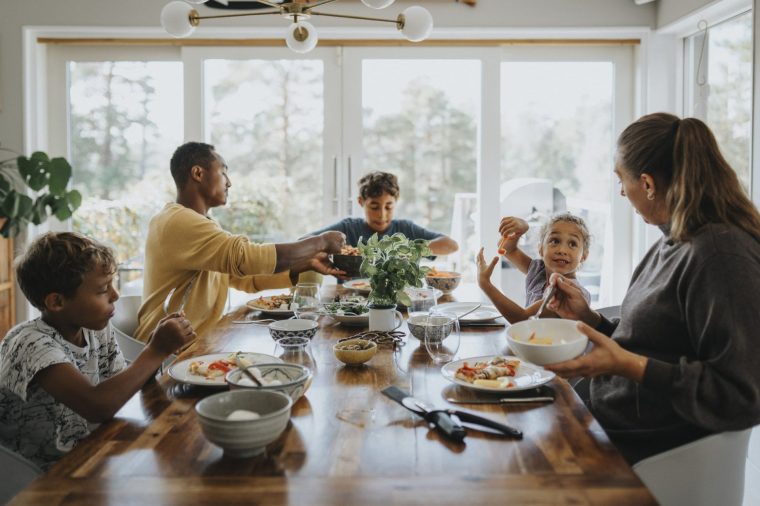
Instead of presenting pre-assembled plates, they propose a more interactive approach: laying out ingredients in separate bowls and allowing children to construct their own meals. "It’s no more work for the parent," Spafford points out. "But the child feels in control. You can turn it into a game – how many colours can you get? Can you make a face on your plate?"
Small, innovative interventions can also make a significant difference. "Kitchen gadgets are brilliant," Taylor adds. "Give a kid a cherry pitter and suddenly eating cherries becomes fascinating."
Navigating the Pressures of Modern Food Culture
Crucially, the Sorted Food founders are committed to counteracting the perfectionism that often permeates online food content. A surprising revelation from their research indicated the extent to which families feel they are falling short in the kitchen. While nearly half of parents now turn to social media for meal inspiration, a significant number report that the polished, highly curated content leaves them feeling inadequate or ashamed.
"There’s a huge amount of pressure," Spafford observes. "But the reality is, phases are completely normal. Kids will love something one week and refuse it the next. That doesn’t mean you’ve failed."
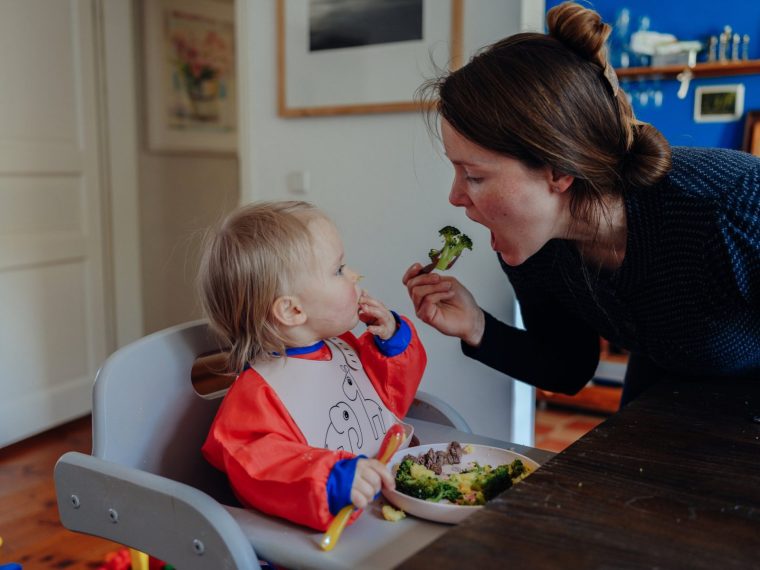
Taylor echoes this sentiment, emphasizing the importance of flexibility. "Families end up juggling different preferences, different routines – and that’s OK," he says. "If you can find ways to build flexibility into what you cook, it helps. I do this by batch-cooking a simple base – like a traybake or meatball mix – which can become a pasta, tacos, even a pizza topping. Everyone feels like they’re getting what they want, but you’re not making separate meals."
Realistic Goals and Expert Endorsements
The overarching objective of Sorted Kids is not to eliminate the inherent stress of feeding a family entirely – an unrealistic aspiration – but rather to alleviate it. "If you can introduce one new food or one new experience a week, that’s enough," Spafford advises. "It doesn’t have to be every day."
This message of moderation and achievable goals is reinforced by the experts they have collaborated with, including nutritionist Charlotte Stirling-Reed. "One thing that she said really stuck with me," Spafford shares, "which was that if you’re even worrying about this stuff, you’re probably doing a better job than you think."
For the Sorted Food founders, their current endeavour represents a full circle. The foundational principle of Sorted Food – that learning about food and cooking is most effective when it is enjoyable – is now being imparted to a new generation.
"It’s funny," Taylor muses. "What we were doing 16 years ago was just playing, trying to get excited about food by entertaining ourselves. And now we’re doing the same thing again, just for kids."
A Legacy of Culinary Connection
Over the years, the impact of Sorted Food has been profound. They have received heartfelt messages from fans who were inspired to pursue careers as chefs, launch their own food businesses, and even form meaningful relationships. One couple, who initially connected over Sorted Food content, later enlisted their help for their engagement. However, perhaps the most significant transformations have occurred closer to home.
"I didn’t grow up loving food," Spafford admits. "My parents didn’t either – it just wasn’t part of our lives in that way. But I’ve been able to change that for my own family. I love food now, I want to learn everything about it – and seeing that spark in my kids, that is how I know that we’ve broken the cycle. And when you see all the comments and messages from other people, it feels like we’re doing that for them as well."
Post a Comment for "From Teaching Millions to Cook to Tackling Picky Eaters: Our Green Solution"