
Poll: 59% of Voters Say Economy is Deteriorating, Giving Trump a Reality Check
Rising Inflation and Economic Concerns in the US
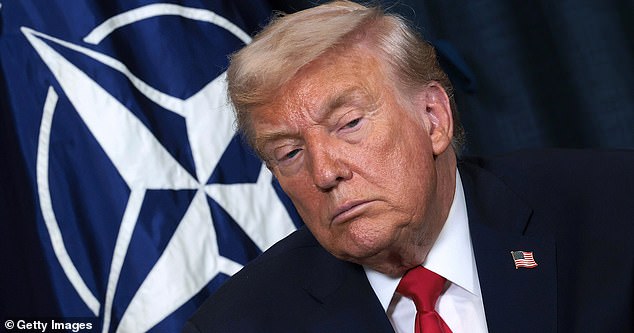
As inflation continues to rise, driven by increased energy costs linked to the conflict between the United States and Iran, American voters are showing their strongest disapproval yet of the President's economic management. According to a recent poll conducted by the Daily Mail and JL Partners, 59 percent of voters believe the economy is deteriorating, marking a three-point increase from the previous month.
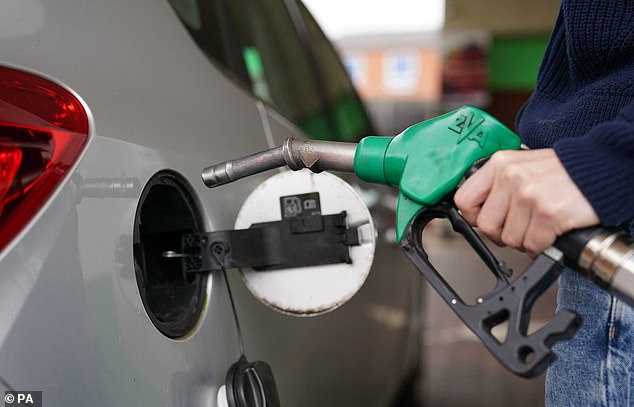
Only 19 percent of those surveyed in May feel that the US economy is improving under the current administration. The situation has been exacerbated by the President's blockade on the Strait of Hormuz, a critical waterway responsible for one-fifth of global oil trade. This has led to a significant surge in gas prices, with an average of $4.50 per gallon across the country.
Iran has also taken steps to disrupt the strait, seizing US-backed oil tankers using speedboats and attacking them with explosive drones. These actions have further strained the economy and contributed to rising fuel costs.
Impact on Voters' Finances
The financial strain is being felt by many Americans, with nearly half, or 48 percent, reporting that recent increases in gas prices have either somewhat or significantly impacted their savings. Twenty-six percent of respondents say they have experienced a substantial hit to their savings. However, 15 percent claim that the fuel costs have only slightly affected their savings, while another 22 percent report that their savings remain untouched.
Growing Financial Anxiety Among Voters
A startling 12 percent of voters admit they have no savings at all. This lack of financial cushioning is causing concern, as 18 percent of voters believe they will deplete their savings within a month if gas prices remain unchanged. Adding to this worry, 16 percent anticipate running out of savings within one to three months. Together, these figures suggest that roughly a third of the population is facing a potential financial crisis tied to the ongoing economic fallout from the conflict with Iran.
The political repercussions of rising pump prices are becoming increasingly apparent, with 54 percent of voters holding the President accountable for the current economic situation. American oil and gas companies are seen as the second most responsible party at 36 percent, followed by the Iranian government at 31 percent.
Trump's Approval Rating and Political Outlook
Despite these challenges, the President's overall approval rating remains steady at 43 percent, with 57 percent of voters expressing disapproval. The poll, which surveyed 1,003 registered voters online between May 15 and 18, has a margin of error of 3.1 percent.
Economic Pressure Ahead of Midterms
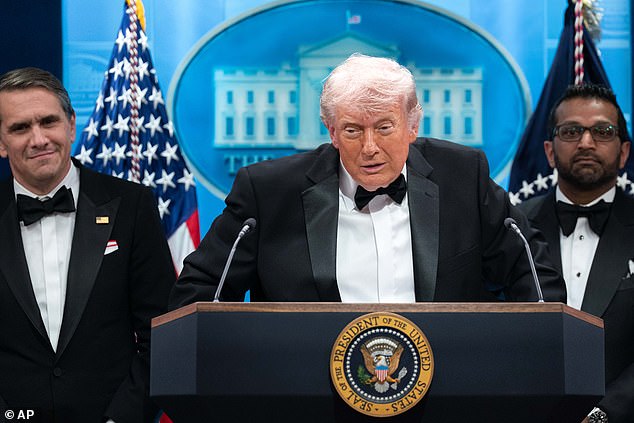
Trump's re-election in 2024 was partly fueled by voter frustration with the Democrats' handling of the economy and the belief that he could alleviate financial anxieties. Now, the economy is shaping up to be one of his most challenging issues as the Republican Party prepares for the midterm elections.
Recent events have shown that Trump has backed down from a full-scale attack on Iran, halting US forces after Middle Eastern leaders intervened to seek a final chance at a nuclear deal. Despite this, oil prices remained high even after the President indicated that a peace deal might be imminent. Brent crude fell from $112 to $109 per barrel following the news.
Whether Trump can ease the financial pressure by reopening the Strait of Hormuz may determine the GOP's performance in the midterms.
Expert Warnings on Stagflation
Billionaire hedge fund manager Ray Dalio has recently warned that the US economy has slipped into a 'stagflationary environment.' Stagflation refers to a situation where there is both rising inflation and slowing economic growth, a combination that can be particularly damaging.
Dalio, the founder of Bridgewater Associates, emphasized that stubborn inflation and slowing growth should be a cause for concern. His comments come just before the government releases its preliminary data on US economic growth for the first quarter of 2026. Economists estimate that the economy expanded by 2.2 percent during this period.
Inflation Trends and Economic Growth
While Dalio's warning about stagflation is somewhat accurate regarding the rising prices, the expert consensus suggests that the US economy is still growing despite the war and higher energy costs. The March inflation report revealed that prices rose by 3.3 percent year-on-year, up from 2.4 percent in February. Skyrocketing energy prices were the primary driver of this increase, accounting for nearly three-quarters of the overall gain in inflation.
As the nation grapples with these economic challenges, the focus remains on how the President and his administration will navigate the complex landscape of rising costs and political pressure.
Post a Comment for "Poll: 59% of Voters Say Economy is Deteriorating, Giving Trump a Reality Check"