
Your Rights Against a Noisy Neighbour
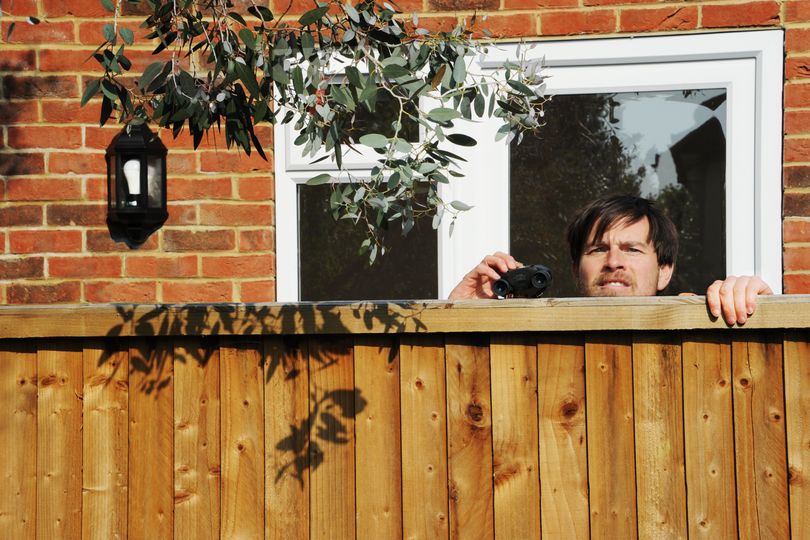
If a neighbour is consistently very noisy, such as regularly playing loud music or holding disruptive parties, there are legal options you can use to help reduce the disturbance or stop it from happening again.
It’s worth remembering that the person making the noise may not be aware they are disturbing others. In many cases, a polite conversation may be enough to resolve the issue. However, if they are unwilling to listen or the problem continues, further action may be necessary.
Six Steps to Take When Dealing with a Noisy Neighbour
There are six steps you can follow when dealing with a dispute with your neighbour. These steps are designed to help you address the issue in a structured and effective way.
-
Try to solve the problem informally by talking to them
The first step is to attempt to resolve the issue directly by speaking to your neighbour. If this is difficult, you could write a clear and factual letter. If the problem affects other neighbours, involve them as well. It can be easier to settle a dispute if the complaint comes from multiple people. A tenants’ association might help if you’re a member of one. -
Contact their landlord if they are a tenant
If your neighbour is a tenant, you can complain to their landlord. This could be a housing association, the council, or a private landlord. -
Use a mediation service if informal discussions fail
If you cannot resolve the dispute by speaking to your neighbour, you can get help from a mediation service. Mediation is when an impartial professional (the mediator) helps both sides work out an agreement. It’s confidential and usually quicker and cheaper than going to court. -
Report a statutory nuisance to your local council
You can contact your local council for assistance if the dispute involves something harmful to health or causing a significant disturbance. This is referred to as a ‘statutory nuisance’. Your council has a duty to investigate any statutory nuisance. This could include issues like: - Noise (including loud music and barking dogs)
- Artificial light (except street lamps)
- Dust, steam, smell or insects from business premises
- Smoke, fumes or gases
-
A build-up of rubbish that could harm health
-
Call the police if there is illegal activity
You should call the police if your neighbour: - Is violent, threatening or abusive
- Is harassing you sexually, or because of your sexuality, religion or ethnic background
-
Is breaking the law in any other way - or if you suspect this
-
Take legal action through the courts as a last resort
In the sixth and final step, if all other options have been tried, you may consider taking legal action against your neighbour. Taking someone to court can be expensive, so it should be your last resort if nothing else works. There may be court fees and you may have to pay a solicitor.
Keeping Detailed Records
According to Citizens Advice, you should try keeping records. You should make them as detailed as possible. It suggests: "Make a note whenever the problem happens - your records will be useful if you decide to take things further."
Write as much detail as possible. Include what happened, the length of time and how it affected you. For example, “22 June - dogs barking from 10:15am to 12:35pm. Loud enough to hear in living room - had to turn up my radio.”
Keep any messages your neighbour sends you and collect evidence if you feel safe to. For example, take a photo of rubbish that’s been dumped in your garden.


Post a Comment for "Your Rights Against a Noisy Neighbour"