
Bank of Dave Founder: You Shouldn't Buy a Big Mac with Buy-Now-Pay-Later
The Rise of Buy Now Pay Later and Its Consequences
Buy Now Pay Later (BNPL) was introduced in the UK in 2014 as a way to help people manage their finances by spreading the cost of essential purchases. Initially, it was designed to assist families during high-pressure times like Christmas or when unexpected expenses arose, such as car repairs. When used properly, BNPL functions as an interest-free loan that allows individuals to pay for an item in three or four instalments over a short period, typically between six weeks and three months.
However, the original intent of BNPL has been increasingly misused. Today, it is being used for trivial purchases like a Happy Meal or a Big Mac. This shift has raised concerns among financial experts and consumer advocates. BNPL now accounts for about 8 per cent of online and physical point of sale spending. Around 14 million people in the UK use BNPL each year, with 8 million using it for purchases below £50.
A Growing Debt Problem
According to Money Wellness, a debt charity, one in five people seeking advice have a BNPL loan. This is alarming, especially considering the lack of checks and balances in the system. Through my work at the Bank of Dave, I have spoken to individuals who have 50 or 60 separate BNPL loan agreements running. This is not what BNPL was intended for.
Hilary, a care nurse (name changed), borrowed £600 for her children’s school uniforms and shoes. No checks were carried out before she took a BNPL loan. She admits that she even made up a figure for her salary, and no one checked. As a result, her debt has spiralled to £6,000.
Why Is This Happening?
There are several reasons why this situation has arisen. First, there are many different BNPL providers in the market, and most of them do not check with each other to see who already has a loan. This means that individuals can take out multiple loans simultaneously without any oversight.
Second, affordability checks that are standard for traditional loans, credit cards, or mortgages are absent in the BNPL system. This allows people to borrow money without having to prove they can repay it. Finally, many people don’t realize they are taking on debt for increasingly small purchases. An interest-free payment plan might seem appealing, but missing an instalment can lead to significant late fees, especially when juggling dozens of different agreements.
The Impact on Credit Scores
Eventually, this can start to impact your credit score, which could prevent you from getting a mortgage or even a mobile phone contract. Imagine not being able to get a new phone just because you put a hamburger on finance.
We have been calling for regulation of BNPL for years, and it is finally set to come into effect next month (July). However, we still do not know what the rules will look like, and I am worried they may not go far enough.
What Needs to Change?
To stop debt from snowballing and prevent BNPL from becoming a scandal, I believe several changes are necessary. First, financial promotion rules should be applied so that people clearly understand what they are agreeing to and recognize that it is a form of debt.
I also want to see protections for purchases over £100. Currently, if you make a purchase through BNPL and the goods are faulty, do not arrive, or the merchant goes bust, you have no protection. Additionally, people should have the right to complain to the Financial Ombudsman if something goes wrong.
Affordability checks should also be implemented to ensure that loans are only given to those who can prove they can afford to repay them.
Support for Those Struggling
If you are struggling with debt, there are incredible debt charities like Step Change and Citizens Advice that can provide assistance. These organizations offer support and guidance to help individuals manage their finances and avoid further debt.
In 2026, you can get a Big Mac on BNPL and know you’re not going to pay a penny towards it for a month. But in the second month, you will have to pay, and if you fall behind, you’ll get charged. Before you know it, you’re paying interest on a Big Mac meal – and that is absolutely bonkers.
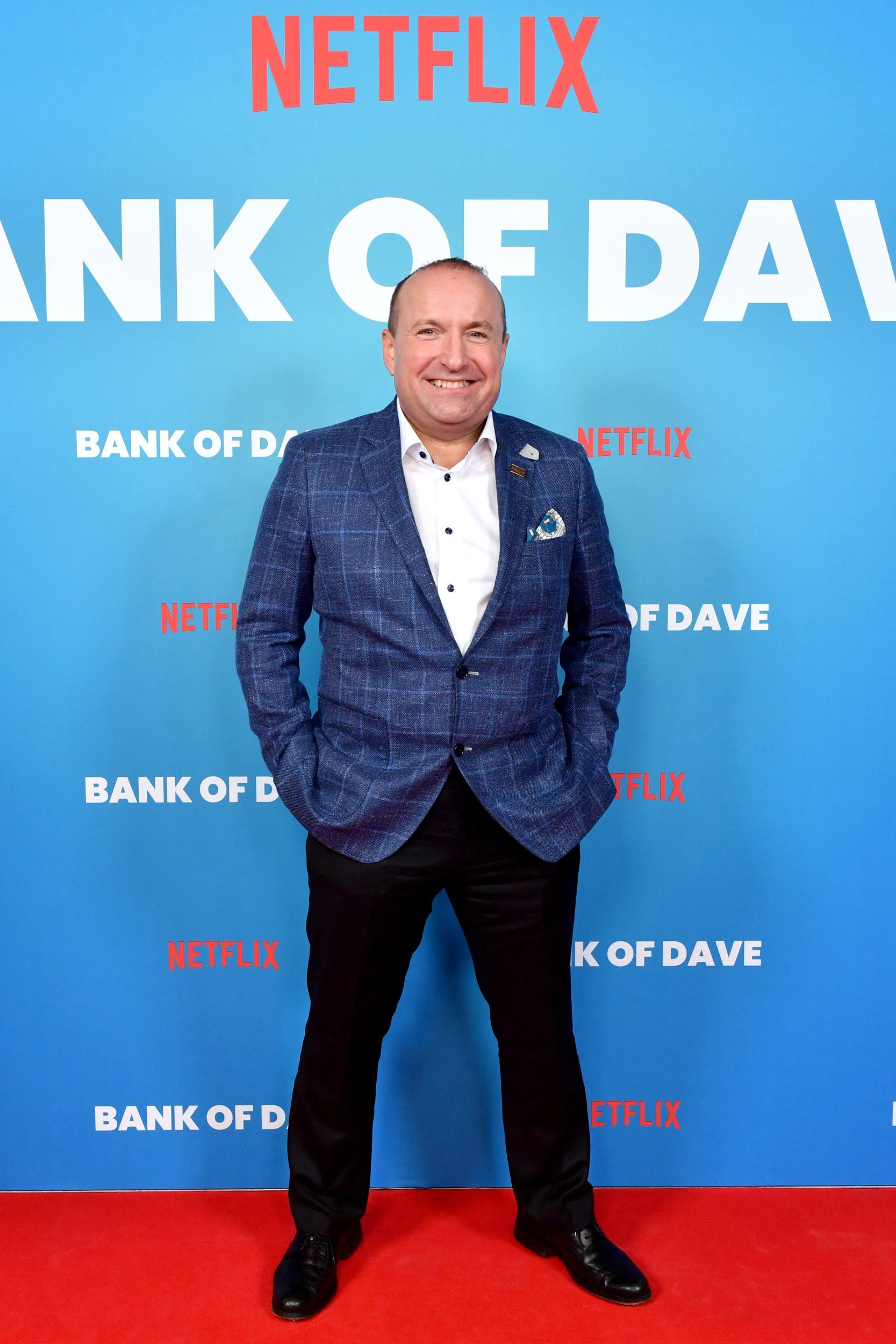
Dave Fishwick is a business owner known for “The Bank of Dave” – a lending company called Burnley Savings and Loans. His story has been turned into two Netflix films.
Post a Comment for "Bank of Dave Founder: You Shouldn't Buy a Big Mac with Buy-Now-Pay-Later"