
Bio-Techne to Be Acquired for $11.3B in Major Minnesota Deal
Overview of the Merck KGaA Acquisition
Germany’s Merck KGaA has announced a significant acquisition of Bio-Techne Corp. for $11.3 billion, marking one of the largest deals in Minnesota's history. This move is expected to reshape the landscape of the life sciences industry and has implications for both companies involved.
Background of the Acquisition
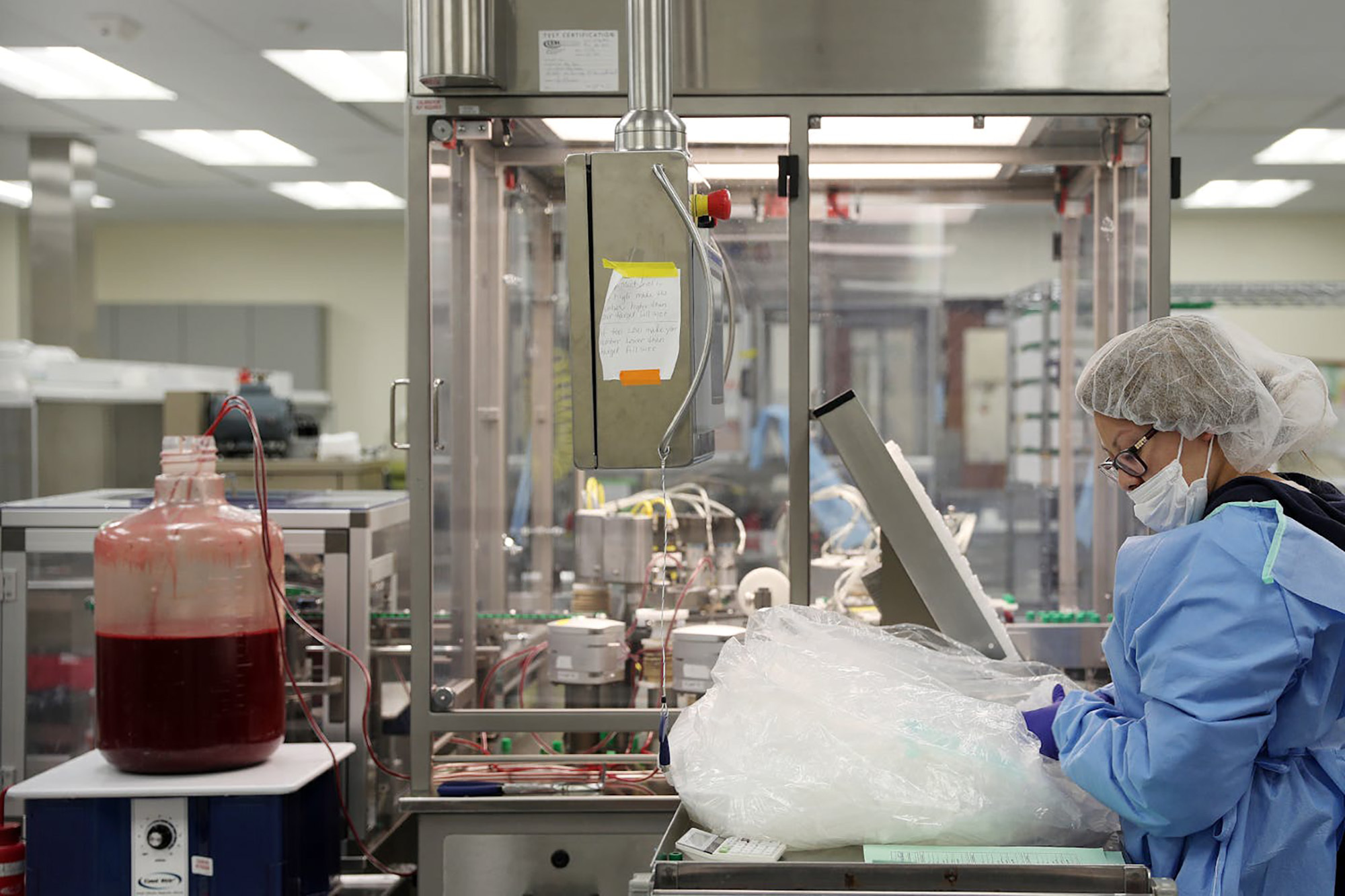
Bio-Techne, based in Minneapolis, specializes in producing lab materials and equipment essential for drug development. The company has faced challenges over the past five years, with its stock price dropping nearly 50%. This decline put pressure on the company to explore strategic options, which led to the acquisition by Merck KGaA.
Merck KGaA, a major pharmaceutical company from Germany, is not related to New Jersey-based Merck & Co. Under the leadership of its new CEO, Kai Beckmann, the company has been actively seeking growth through acquisitions. The purchase of Bio-Techne aligns with this strategy, as it offers access to a valuable product portfolio that includes proteins, antibodies, and lab test kits critical to biological research.
Impact on Minnesota
While the deal is seen as a positive step for shareholders, it also signals a potential loss for Minnesota, as the company will no longer maintain its corporate headquarters there. Despite recent reductions in U.S. medical research funding, the life sciences sector remains an attractive area for investment. If approved by regulators, this acquisition would rank among Minnesota’s top five largest deals in terms of raw dollar value.
Historical Context of Major Deals
Looking at previous large acquisitions in the state, the Wells Fargo merger with Norwest and Abbott Labs’ $25 billion purchase of St. Jude Medical stand out as the largest. Other notable deals include Thoma Bravo's $12.3 billion acquisition of Dayforce and the purchases of Valspar by Sherwin-Williams and Pillsbury by General Mills. These transactions highlight the ongoing interest in the life sciences sector and the potential for growth within it.
Financial Implications
The proposed deal involves paying $73 per share for Bio-Techne, pending shareholder and regulatory approvals. Following the announcement, the stock prices of both companies experienced a surge, with Bio-Techne's shares rising nearly 20% at midday. This indicates strong investor confidence in the transaction.
Strategic Importance
Merck KGaA emphasizes that the acquisition is a crucial milestone in its strategic agenda. The company believes that Bio-Techne is an excellent fit for its long-term goals. This sentiment is echoed by Bio-Techne's CEO, Kim Kelderman, who stated that the deal reflects the company's achievements and the value it creates for stakeholders.
Company History and Operations
Founded in 1976 as R&D Systems, Bio-Techne has a rich history of innovation in inflammation research. The company produces recombinant proteins, antibodies, and immunoassay kits used in drug development. With over 3,000 employees, including 2,300 in the U.S., and 15 manufacturing facilities, Bio-Techne has a substantial presence in the market.
Despite its historical significance, the company has underperformed compared to the S&P life sciences index in recent years. This has led to declining revenue and adjusted profits, attributed to low spending on emerging biotechnology research.
Future Prospects
The acquisition by Merck KGaA presents new opportunities for growth and expansion. The company's focus on consumables, which make up over 80% of Bio-Techne's sales, is particularly appealing. These products, which require frequent replacement, ensure ongoing revenue for the company.
Analysts from Leerink Partners and Evercore have highlighted Bio-Techne as an attractive asset due to its high margins and strong product portfolio. Merck KGaA's CEO, Kai Beckmann, emphasized the importance of the U.S. market for the company, citing its role as a hub for drug development and research.
Conclusion
The acquisition of Bio-Techne by Merck KGaA represents a significant shift in the life sciences industry. It underscores the growing interest in the sector and the potential for continued growth. As the deal moves forward, it will be interesting to see how it impacts both companies and the broader market.
Post a Comment for "Bio-Techne to Be Acquired for $11.3B in Major Minnesota Deal"