
GSK's Strategic Shift Under New Leadership
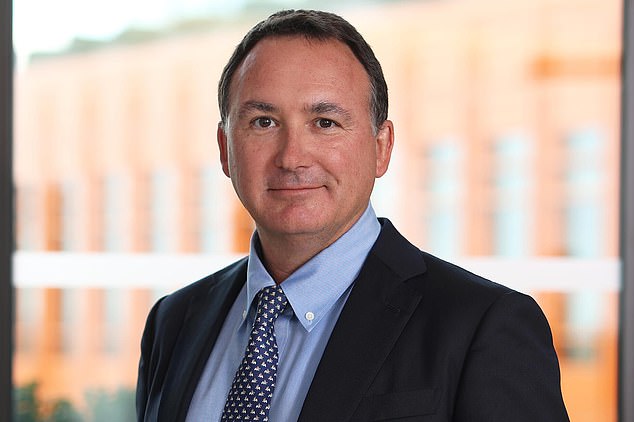
The transformation at GlaxoSmithKline (GSK) is becoming more apparent as the company moves away from its previous focus. Emma Walmsley’s tenure was marked by restructuring efforts, including the sale of consumer healthcare to concentrate on core areas like research and development, vaccines, and drug development. This strategic shift set the stage for a new direction when Australian executive Luke Miels took over as CEO. Miels, who previously worked under Pascal Soriot at AstraZeneca, has brought a fresh perspective to the company.
Miels aims to reposition GSK as a leading force in oncology while reinforcing its strengths in cardiovascular diseases and vaccines. Initially, it was expected that he would focus on GSK’s collaboration with China and pursue smaller deals to strengthen its position in oncology. However, the company has been lagging in this area since a significant asset swap with Novartis a decade ago.
To accelerate progress, Miels has made a bold move by acquiring US biotech firm Nuvalent for £8 billion. This acquisition is challenging to evaluate financially, as Nuvalent has yet to generate sales or profits. Nonetheless, it is believed that Miels sees potential in this deal, targeting a second-line drug innovator with two compounds nearing regulatory approval and high blockbuster potential.
GSK also has confidence in its new medicine for multiple myeloma, a blood cancer, which could add significant value. The company is leveraging its expertise in antibody drugs to treat various cancers, including lung, colorectal, and prostate cancers.
Despite these positive developments, GSK's share price has remained stagnant due to concerns about its HIV drug portfolio running out of patents. Additionally, anti-vaccine sentiment in the US has impacted demand for Shingrix. Miels, known for his scientific background, played a key role in preventing AstraZeneca from being acquired by American interests. His determination to restore GSK's reputation as an innovator is crucial for both shareholders and the national interest.
The Woodford Dispute
Neil Woodford, a prominent investor, is not backing down from legal challenges posed by the Financial Conduct Authority (FCA) against his Abu Dhabi-based advisory firm, W4.0. Woodford, who has never apologized for the collapse of his regulated fund management group that left 300,000 investors worse off, is contesting the FCA's claim that W4.0 provides investment advice without proper authorization.
Visitors to W4.0's website, which boasts Woodford's self-proclaimed brilliance, may question this assertion. Woodford argues that W4.0 was intentionally designed to operate outside the FCA's regulatory scope. This approach mirrors the situation with London Capital & Finance in 2019, where regulatory issues did not prevent the FCA and then-chairman Andrew Bailey from becoming involved.
Under the leadership of Nikhil Rathi, the FCA is showing increased vigilance in protecting UK and international investors from rogue financiers, regardless of their regulatory status.
BP's Reorientation
BP, despite lacking a permanent chairman, is not slowing down its transformation under Chief Executive Meg O’Neill. Previous leader Bernard Looney had restructured the company around climate goals, but O’Neill is taking a different approach, focusing on drilling activities.
Veteran executive Gordon Birrell has been appointed to oversee exploration and production. It would be beneficial if he could convince O’Neill and the government to keep BP active in the North Sea. This would require the Treasury to support BP's request to reduce harsh levies on Britain's remaining fossil fuel reserves.
Downstream operations, including refining, terminals, pipelines, and forecourts, are managed separately. This division is politically advantageous at a time when rising oil profits are drawing attention from Labour and Green Party members.
This separation highlights BP's argument that upstream and downstream operations are distinct, and profits from one cannot subsidize petrol at the pumps without violating competition law.
Fossil-free investments, such as solar and offshore wind, are being moved into a technology subsidiary. If these investments do not meet financial viability criteria, they could be sold off more easily.


No comments:
Post a Comment