
Hollywood Workers Protest Paramount-Skydance Merger
The Fight Against Media Consolidation
At a recent gathering in Los Angeles, stand-up comedian Adam Conover spoke passionately about the dangers of media consolidation. He described it as an existential threat to an industry that has long been a cultural powerhouse for the United States. "It's about to die, and that's why I feel so passionately about this issue," he said during the event.
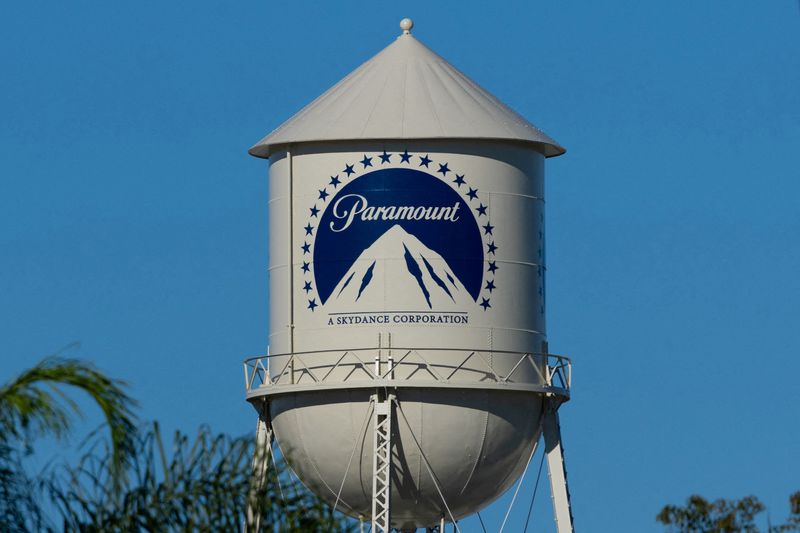
This protest was part of a larger movement called the “Main Street vs. The Merger” tour. The event brought together entertainment workers, small business owners, and politicians who are all opposed to Paramount Skydance’s proposed acquisition of Warner Bros. Discovery. The deal is valued at $110 billion and is expected to be a major shift in the entertainment landscape.
Approximately 100 people attended the event at Lumiere Music Hall in Los Angeles. The gathering was organized by various advocacy groups, including the Writers Guild of America, with the goal of highlighting concerns about the merger. Participants were eager to voice their opposition to what they see as a dangerous move for the industry.
Despite these concerns, U.S. antitrust regulators seem poised to approve the merger. Paramount Skydance has assured the public that the deal will not harm other studios or creative talent. CEO David Ellison has promised that the combined companies will continue to produce at least 30 films annually.
A spokesperson for Paramount stated that the merged companies would have "every economic incentive" to expand production of quality content that consumers demand. They argue that opposing the deal would mean opposing expanded consumer choice, new opportunities for creators and workers, and greater competition in the creative ecosystem.
However, there are signs that the merger may face legal challenges. A group of U.S. states, including California and New York, are preparing a lawsuit to block the deal. Sources familiar with the matter indicated this on Friday.
Conover has personal experience with the negative effects of media mergers. After AT&T's 2018 acquisition of Time Warner, his show "Adam Ruins Everything" was canceled, leading to job losses for employees, contractors, and others.
The entertainment industry has seen a decline in employment since its peak in late 2022. California, in particular, has been hit hard, losing 17,234 positions from 2019 through 2023. According to the Milken Institute, factors such as shrinking television ad revenue and stagnating streaming growth have led studios to seek less-expensive locations for production.
Hollywood’s sound stages have also seen a drop in occupancy, falling to 62% in the first half of 2025, down from nearly full occupancy in 2016. The International Alliance of Theatrical Stage Employees reports that its members worked about 36% fewer hours than in 2022.
Matt Radecki, a co-founder of the Different by Design post-production facility in Los Angeles, fears that the merger could lead to fewer buyers for documentary films like the Oscar-winning "Navalny." This film was produced by two Warner units, HBO Max and CNN Films.
"This is the biggest thing that we've faced," Radecki told attendees. "The places we work with are closed ... They're gone, and they're never coming back, and we don't want to see that happen to HBO or CNN or CNN Films."
Former Federal Trade Commissioner Alvaro Bedoya expressed optimism that California Attorney General Rob Bonta could block the merger. Bonta could argue that the deal reduces competition among film studios, which could indirectly affect workers.
There is also the possibility of blocking a merger by arguing it would decrease competition for specific types of labor. Antitrust authorities did this before in the case of Penguin Random House's bid to buy Simon & Schuster in 2022.
California could use this precedent in any labor-focused challenge, according to Ioana Marinescu, a University of Pennsylvania economist who wrote the Biden-era Justice Department's guidelines on labor market issues.
"For some workers it could be that jobs at these two companies are really special, and this is really what they want," she said. "And there isn't necessarily a very close substitute. And those are the people for whom it's going to make an adverse impact."
Post a Comment for "Hollywood Workers Protest Paramount-Skydance Merger"