
How Leapmotor-Stellantis is transforming the global auto industry
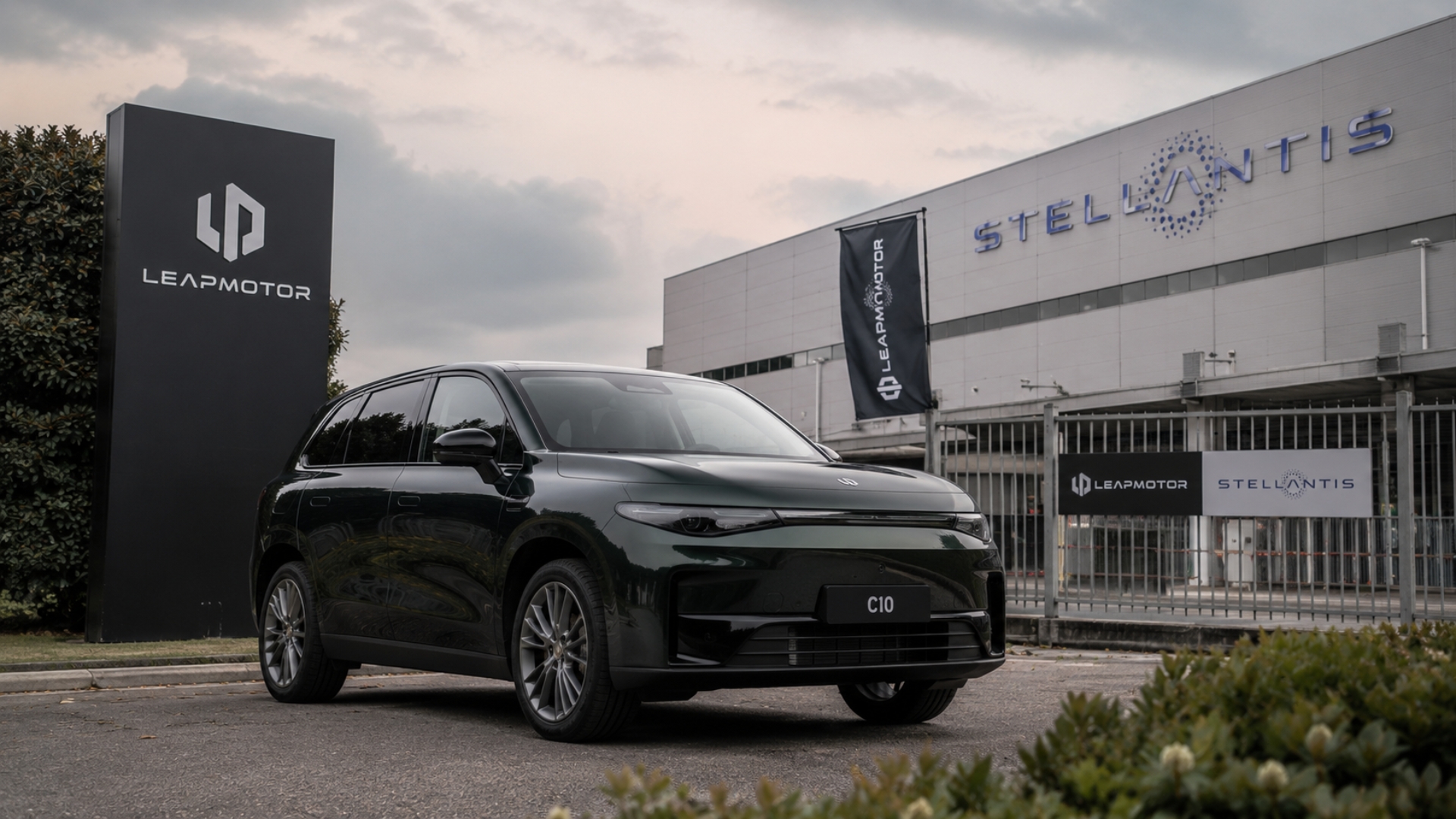
A New Era of Automotive Collaboration
The automotive industry has seen countless partnerships over the decades. Most are designed to reduce development costs, share technology, or gain access to specific markets. The relationship between Leapmotor and Stellantis is different because it addresses a challenge that is increasingly defining the global car business.
Chinese automakers have become exceptionally good at building competitive electric vehicles. What many still lack is the international manufacturing footprint, dealer infrastructure, and regulatory experience required to expand rapidly across global markets. Stellantis has the opposite problem. The company controls a vast international network of factories, brands, dealers, and distribution channels, but it faces growing pressure from Chinese EV manufacturers that often develop products faster and at lower cost.
The partnership effectively allows both sides to borrow what the other does best.
Leapmotor Gains a Global Shortcut
Traditionally, entering international markets has been a slow and expensive process. Automakers must establish dealer networks, secure regulatory approvals, build consumer trust, and develop service infrastructure. These challenges have historically limited how quickly new brands can expand beyond their home markets.
The Stellantis partnership changes that equation for Leapmotor. Instead of building a European presence entirely from scratch, the Chinese manufacturer can leverage existing Stellantis infrastructure. That provides access to established sales channels, service networks, logistics systems, and local market expertise that would otherwise take years to develop.
For a young EV company, that shortcut is enormously valuable. The arrangement allows Leapmotor to focus more heavily on product development while relying on Stellantis to help solve many of the operational challenges associated with international expansion.
Stellantis Is Buying More Than Cars
From Stellantis' perspective, the value extends beyond adding another EV brand to its portfolio. The company gains direct exposure to one of the most competitive electric vehicle ecosystems in the world. China's automotive industry has become known for rapid development cycles, aggressive pricing strategies, advanced software integration, and efficient battery supply chains. These advantages have helped Chinese manufacturers close the gap with established global brands far faster than many analysts expected.
Rather than treating Chinese automakers solely as competitors, Stellantis appears to be treating them as potential partners and sources of expertise. That reflects a growing recognition that the future automotive landscape may require cooperation as much as competition.
The Traditional Industry Structure Is Changing
For decades, Western automakers typically exported technology and manufacturing expertise to emerging markets. The Leapmotor-Stellantis partnership suggests that dynamic is evolving. Today, some of the most innovative EV platforms, battery strategies, and software ecosystems are emerging from China. As a result, partnerships increasingly involve Western manufacturers seeking access to Chinese technology rather than simply providing expertise themselves.
This shift helps explain why the agreement has attracted so much attention across the industry. It is not merely a commercial arrangement. It is a reflection of changing competitive realities. The automotive world's center of gravity is becoming more global, more interconnected, and more complex than many traditional industry structures anticipated.
Why Other Automakers Are Watching Closely
The success or failure of the partnership could influence strategic decisions across the industry. If Leapmotor successfully expands into Europe and other regions using Stellantis infrastructure, other manufacturers may pursue similar arrangements. Chinese brands seeking international growth could increasingly partner with established global groups rather than building independent networks from the ground up.
Likewise, legacy automakers facing EV transition challenges may become more willing to collaborate with Chinese companies rather than attempting to compete entirely on their own. That possibility would have seemed unlikely only a few years ago. Today, it looks increasingly practical.
The Real Story Is About Speed
Perhaps the most important lesson from the Leapmotor-Stellantis partnership is the growing importance of speed. The automotive industry once operated on development cycles measured in many years. Electric vehicles, software-defined platforms, and increasingly competitive global markets have compressed those timelines dramatically. Manufacturers that move too slowly risk falling behind.
Partnerships like this allow companies to accelerate product launches, enter new markets more quickly, and reduce the costs associated with developing everything independently. That advantage may ultimately prove more valuable than any individual vehicle produced through the alliance.
Why This Deal Matters
The Leapmotor-Stellantis agreement is significant because it illustrates how automotive competition is changing. The future may not be defined solely by Chinese brands versus Western brands or legacy manufacturers versus startups. Instead, it may be shaped by partnerships that combine different strengths from different regions of the world.
Leapmotor contributes speed, EV expertise, and modern software-focused development. Stellantis contributes manufacturing scale, global reach, and decades of market experience. Together, they are attempting to create something neither company could build as effectively alone.
Whether the partnership becomes a long-term success remains to be seen. But it already offers an important glimpse into the future of the automotive industry, one where collaboration may become just as important as competition.
Post a Comment for "How Leapmotor-Stellantis is transforming the global auto industry"