
The AI-Driven Surge in Global Markets
As the year unfolds, a clear trend has emerged across global markets: investments tied to the physical infrastructure of artificial intelligence (AI) have experienced significant growth, while traditional safe-haven assets have struggled. Despite ongoing conflicts in the Middle East, political instability, and rising oil prices, stock markets in various regions have still managed to reach new record highs.
Dan Coatsworth, head of markets at AJ Bell, highlighted that companies benefiting from the AI spending boom were the top performers in the first half of the year. Meanwhile, Bitcoin saw unexpected volatility, and gold lost its appeal as an investment.
This rapid shift in market dynamics is remarkable for just six months of trading.
Explosive Growth in Memory Chip Companies
The most impressive gains came from an unlikely sector within the technology industry: firms that manufacture memory chips. As demand for AI computing increased, coupled with limited supply, prices surged, driving up share values dramatically.
SanDisk led the U.S. market with an over 850% increase in six months, while Western Digital, Micron Technology, and Seagate Technology all more than tripled in value. This kind of performance would typically take many years to achieve.
The reason behind this surge is the immense need for high-speed memory and storage required to train and run AI systems. Major tech companies are expanding their data centers, which has created a surge in demand for these components.
Other U.S. equities that benefited from the AI boom include Intel, Dell, Advanced Micro Devices (AMD), and Applied Materials, which saw returns ranging from 150% to 28% year to date.
Impact on Emerging Markets
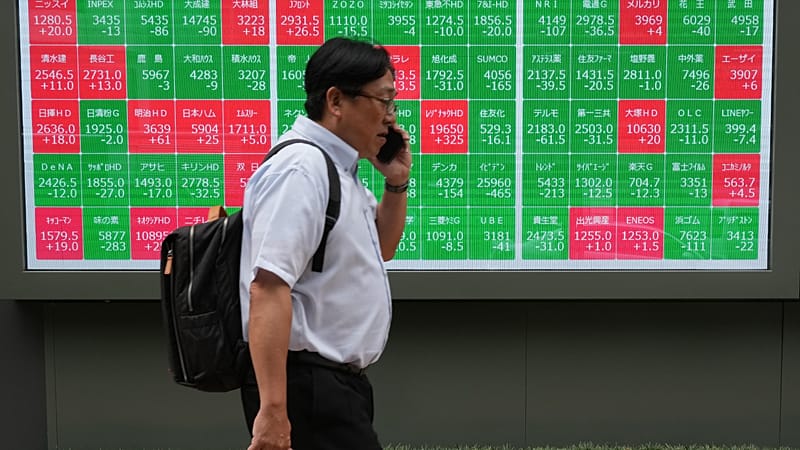
The AI-driven rally also had a positive impact on emerging markets. Asian chipmakers such as TSMC and SK Hynix played a significant role in lifting regional indices. South Korea's KOSPI doubled in value, Japan's Nikkei 225 rose by about 40%, and the MSCI Emerging Markets index increased by roughly 27%.
In Europe, the FTSE 100 gained 7% in the first half of the year, France's CAC 40 rose 5%, and Germany's DAX increased by 2%. However, not all markets shared in this success. The MSCI India index fell 5%, and Hong Kong's Hang Seng lost 6%.
Recent Market Volatility
Notably, the memory chip rally has started to decline in recent days, with several of the same names experiencing a sharp sell-off in the technology sector.
The Downfall of Previous AI Leaders
On the flip side, previous AI favorites like Meta and Microsoft faced significant declines. Meta dropped 14% and Microsoft fell 24% on a total-return basis. Heavy AI spending has made these tech giants more capital-intensive, leading investors to stop paying a premium for them.
Microsoft now trades at its lowest level in a decade, making it less valued than McDonald's, a situation few would have predicted during the peak of the "Magnificent 7" craze.
Disappointing Safe-Haven Assets
Other traditional safe-haven assets failed to meet expectations. Gold, which typically sees increased demand during times of uncertainty, experienced a volatile journey. After reaching a record high of $5,594.82 per ounce on January 29, it lost around 28% of its value despite the geopolitical turmoil. Higher bond yields and cash rates reduced its appeal, as they offer income that gold cannot provide.
Bitcoin fared even worse, declining 28% since the start of the year as interest in cryptocurrency waned and funds shifted toward technology stocks.
Takeovers and Sector Shifts
In the UK, takeovers played a key role in market activity. Six FTSE 100 companies, including Glencore, Schroders, and Segro, attracted bid interest, indicating that buyers still see value in British blue-chip stocks after a three-year re-rating.
Housebuilders like Persimmon struggled due to a sluggish property market, while tech-adjacent companies such as Experian and RELX faced concerns about AI disruption.
One trade that saw a cooling off was defense. After a strong 2025, companies like BAE Systems, Germany's Rheinmetall, and America's Palantir saw declines as the positive news on military budgets was already priced in, and investors moved their focus elsewhere.


No comments:
Post a Comment