
Alberta set for West Coast pipeline reveal this week
Alberta's New West Coast Oil Pipeline Plans
Calgary — The Alberta government is preparing to unveil its plans for a new West Coast oil pipeline on Thursday. However, industry experts remain skeptical about the feasibility of the project.
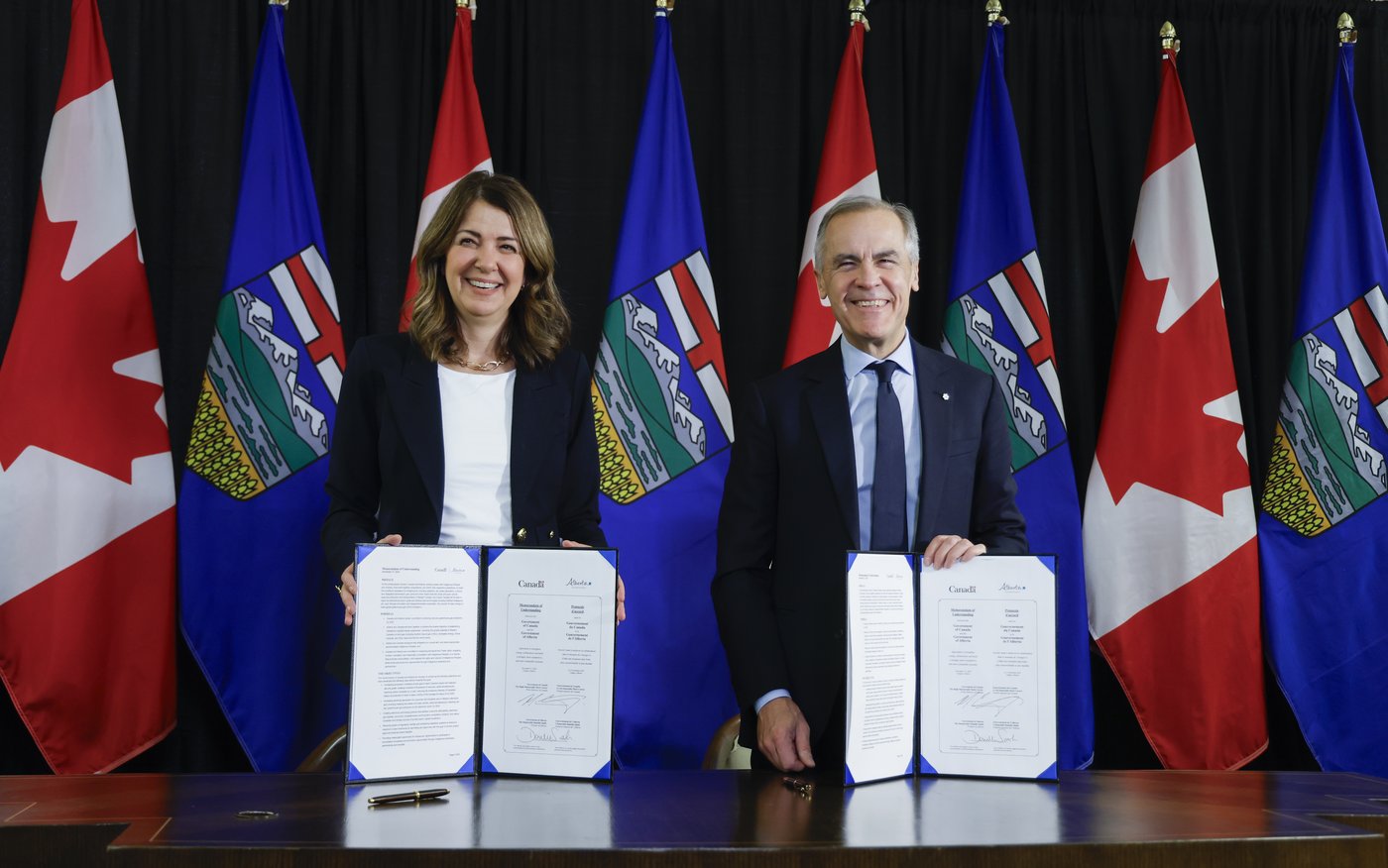
Sam Blackett, press secretary to Premier Danielle Smith, mentioned that there will be a "major announcement" on July 2 regarding the province's submission to the federal major projects office. This office was established last year to expedite infrastructure projects deemed essential to Canada's national interest.
Alberta is taking the lead in proposing a pipeline that could transport up to one million barrels per day from the oilsands to a yet-to-be-determined West Coast tanker port. Under a federal-provincial energy agreement signed last year, Ottawa’s support for this pipeline depends on the development of the Pathways carbon transport and storage project. This project aims to offset some of the emissions resulting from increased oilsands production.
Premier Smith has stated that the province would submit plans for the West Coast pipeline to the projects office by July 1. Prime Minister Mark Carney is set to visit Alberta on Wednesday evening. He noted that he and Smith have been in close contact and that Alberta's efforts to submit a proposal around Canada Day are progressing well.
At an energy conference earlier this month, Brian Jean, Alberta's energy minister, mentioned that several potential investors had shown interest in the pipeline, including an unidentified Fortune 500 company engaged in talks about financing the entire project.
However, the success of the proposal largely hinges on the CEOs of the five largest oilsands companies. These companies are responsible for producing the crude that would fill the new pipeline and are also partners in the Pathways project, according to Dennis McConaghy, a retired pipeline executive and author.
McConaghy pointed out that these companies would find it challenging to commit to the pipeline while facing higher climate costs due to the industrial carbon tax and the need to invest tens of billions of dollars in Pathways. He emphasized that the private sector can finance the project if they believe in rational climate policy.
"The producers won't commit without at least a significant shift in policy," McConaghy said. "I don't think that will happen soon."
The Alberta government aims for the pipeline to be designated a project of national interest by October and to begin construction as early as September 2027, with startup expected in the mid-2030s.
The pipeline application comes as Albertans prepare to vote on 10 referendum questions in October, including one on whether to remain in Canada or hold another referendum on separation. McConaghy believes the CEOs will be reluctant to make long-term commitments until the referendum confirms the status quo. If the pipeline talks fail with Ottawa, it could fuel separatist sentiments.
"This becomes a clear example of, 'Does Ottawa work for Alberta?'" he said.
Market Outlook and Legal Challenges
Energy economist Werner Antweiler from the University of British Columbia's Sauder School of Business highlighted concerns about the long-term demand for crude oil in Asia. He noted that China's growing adoption of electric vehicles and steps to reduce reliance on oil, especially amid the Middle East war, signal a plateauing market rather than growth.
Antweiler sees value in expanding the federally owned Trans Mountain pipeline, which currently ships crude to the B.C. Lower Mainland for export to Asia. Work is set to start later this year to dredge Vancouver's Burrard Inlet to accommodate larger oil tankers.
Smith prefers a pipeline running through northern B.C. to Prince Rupert, a shorter shipping distance to Asia. However, Antweiler argues that the southern route is the only viable option due to legal risks posed by opposition from coastal First Nations in northern B.C.
"It will always end up in court. We're talking about constitutional rights that cannot be abridged," he said. Enbridge, the most experienced company in the business, has expressed no interest in repeating the Northern Gateway idea, citing past losses from their Kitimat project.
Antweiler is against any government funding for the new pipeline, stating that the mature industry should stand on its own. "They need to take the risks. If they think the risks are right, please go ahead and do it. If the risks are not right, then walk away."
Post a Comment for "Alberta set for West Coast pipeline reveal this week"