
Tesla unveils pedal-free Cybercab on public roads
Tesla’s Vision for the Future: The Cybercab and Level 4 Autonomy
Tesla has long been aiming for level 4 autonomy, a milestone that seems closer than ever with a recent video shared by the official Tesla account. The 27-second clip showcases a 2-seater Cybercab, a vehicle that lacks a steering wheel, accelerator, and brake pedal. This design is not just a technological leap but also a visual statement about the future of transportation.
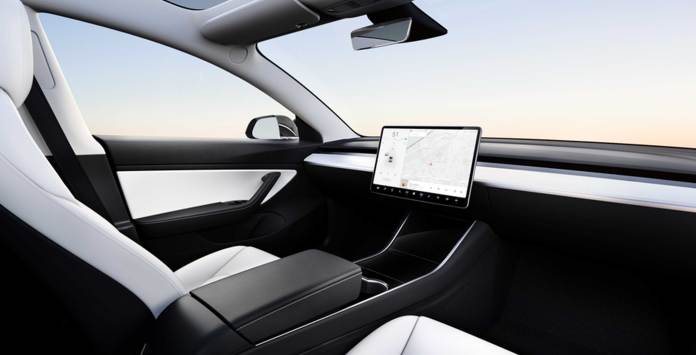
The Cybercab's symmetrical dashboard features a massive center display, which is a stark contrast to the traditional layouts found in most vehicles. This simplicity is both striking and symbolic, representing a shift from human-driven controls to a fully autonomous system. For many, this is a glimpse into a world where driving is no longer a necessity but an option.
Production and Development Progress
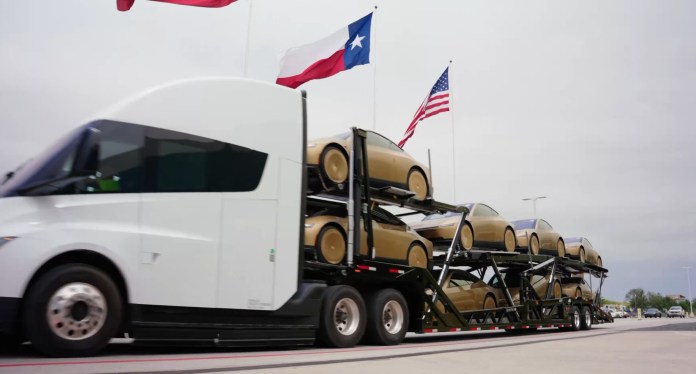
The first Cybercabs began rolling off the production line in small volumes earlier this year. However, without the necessary software to operate autonomously, these early models have primarily served as engineering tests. Recent drone footage of the carparks at Gigatexas shows an increasing number of gold-colored robotaxis preparing for deployment.
Other key pre-launch steps are also being completed. These include the emergency responder's manual and official registration as a vehicle approved for ride share by the Californian Department of Transport. These developments suggest that Tesla's scale rollout of its level 4, driverless robotaxi is imminent.
Additionally, the National Highway Traffic Safety Administration (NHTSA) has proposed ending the requirement for manual brake pedals in AVs. This move aligns vehicle safety standards and could make it easier to deploy purpose-built AVs.
A Glimpse into the Future
Today’s video further strengthens the case for Tesla’s vision, generating excitement among potential customers who are eager to experience riding in vehicles without the issues associated with sharing space with other people, drivers, or passengers.
As you watch the video, it's hard not to think back to the image shown on stage in April 2019, when a Tesla Model 3 was presented without a steering wheel. At the time, this was a preview of the future, one that is now becoming a reality. While some may criticize Tesla for being late to deliver on promises, those who value low-cost, readily available mobility will likely overlook this history and enjoy the benefits.
Personal Experience with Autonomous Vehicles
Many years ago, I had a ride in an Autonomous Shuttle Bus in Paris at a tech conference. This 11-seater was designed to get people around campus, offering point-to-point rides. However, it lacked the real benefits of autonomy, such as the flexibility to go anywhere you want simply by getting in and telling the car where you need to go.
While other automakers continue to focus on solutions more akin to public transport, Tesla’s approach is different. Their Cybercab is an ultra-efficient, low-cost front-wheel drive, 2-seater vehicle. The company explains that the majority of drives or rides occur with 1-2 people in the car. Adding extra weight and cost doesn’t maximize efficiency or return on investment.
Engineering Insights and Future Improvements
In the video, we see a Tesla employee acting as a safety monitor, along with a disclaimer that this is an engineering vehicle. The Cybercab appears to be moving smoothly on what looks like well-maintained roads. The seats are flat, like a couch, and not at all bolstered like traditional car seats. It's reasonable to predict that feedback on the rider experience will lead Tesla to refine the seats in the future to address latitudinal forces.
The software running in the engineering sample is likely a version of FSD V14 that hasn't been released to the public. Close inspection of the screen reveals three buttons at the center, which would allow riders to stop the vehicle if they feel uncomfortable or need to exit urgently. While physical control isn't possible, this is a practical reality for ride-share services like Waymo, where the software controls the vehicle despite having a wheel and pedals.
The Simpler Hardware Approach
A significant difference in Tesla's approach is their use of cameras and AI to drive the car, rather than adding lidar, radar, and other sensors that increase costs and reduce return on investment. This simpler hardware approach is a testament to Tesla's commitment to innovation and efficiency in the autonomous vehicle space.
Post a Comment for "Tesla unveils pedal-free Cybercab on public roads"