
The Role of AI in Modern Filmmaking
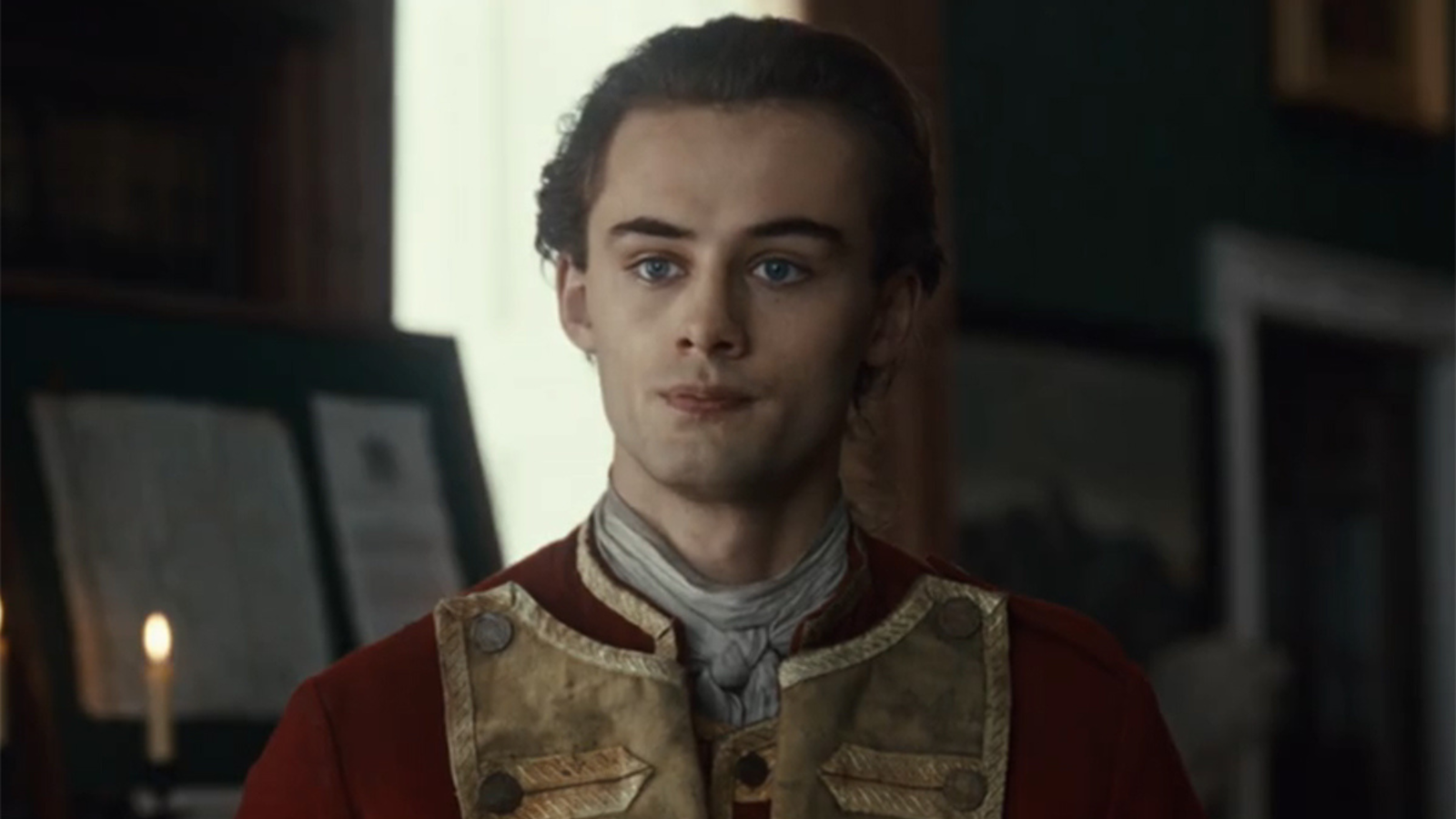
The upcoming historical biopic, Young Washington, has sparked significant conversation within the film industry. Its director, Jon Erwin, has openly admitted to using artificial intelligence (AI) in the production process. This revelation has added fuel to the ongoing debate about AI's role in Hollywood. As filmmakers, actors, and crew members grapple with the implications of this technology, concerns have grown about its potential impact on creative jobs and the future of movie production.
The fear is not just about machines making movies faster. It's also about whether they could replace people who have spent years honing their craft through traditional methods. This tension has made AI one of the most divisive topics in the industry.
A Thoughtful Approach to AI in Filmmaking
Amid all the anxiety, Young Washington director Jon Erwin has embraced AI as a tool rather than a replacement. In an interview with Variety, he explained that he used AI in a limited and practical way, particularly for sequences that would have been risky or too expensive to stage traditionally. One example involved an icy river scene, where the production created a water setup in Ireland and then used AI to extend the scale.
“The actors were there, the raft was there, the water was there, but the water wasn’t cold,” he said, emphasizing that the approach made the moment safer and more manageable. In a Variety exclusive, Erwin made it clear that he sees AI as an enhancement rather than a substitute for filmmaking.
“Do everything you can for real, everything you possibly can, and then use these tools to amplify your vision and give you a bigger canvas,” he said. That approach shaped Young Washington, with AI applied to around 100 shots, including establishing visuals and costume-related changes, while traditional visual effects handled other aspects.
Addressing Criticism and Clarifying Misunderstandings
Erwin also addressed criticism surrounding the film’s use of AI, noting that some reactions were based on confusion about which shots relied on the technology. He reiterated that these tools work best when they support existing techniques rather than replace them. For him, AI represents another step in how cinema evolves, not something that undermines it.
Box Office Competition and Audience Expectations
As the creative debate continues, the film now faces a very different test when it reaches theaters. Young Washington aims at a modest opening against a giant. The film is entering the box office as a solid but modest contender, with projections placing its opening between $15 million and $20 million over the July 4 holiday frame. That is a respectable range for a historical drama, particularly one aimed at audiences seeking a more grounded story during a busy holiday weekend.
However, the film is arriving alongside a major competitor in Minions & Monsters, which is expected to dominate the same period. Forecasts suggest the animated sequel could bring in around $80 million across five days, with estimates ranging from $60 million to $90 million depending on turnout. Its appeal lies in familiar strengths such as family audiences, franchise recognition, and wide accessibility.
For Young Washington, that creates a clear contrast. One film is built around historical storytelling and character-driven drama, while the other is designed for maximum commercial reach. Even so, there is still room for audiences looking for an alternative to large-scale animation.
The Power of Established Franchises
The broader outlook for the weekend highlights how powerful established franchises remain, especially during peak seasons. If projections hold, Minions & Monsters will once again show how easily a major family release can take control of the box office.
Conclusion
What do you think about the use of AI in Young Washington and its place in modern filmmaking? Let us know in the comments.


No comments:
Post a Comment