
The Truth About the Aston Martin V12 Myth
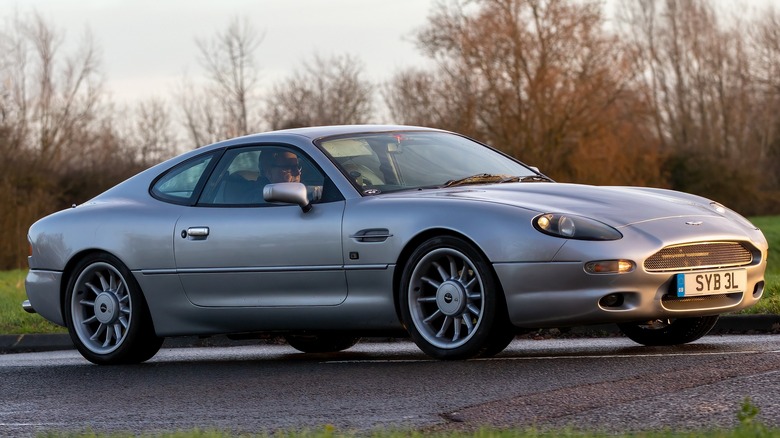
Aston Martin has long been synonymous with luxury, performance, and timeless design. Among the brand’s most iconic engines is the V12 that powered many of its flagship models in the late '90s and early 2000s. This 450 horsepower engine was a key component in vehicles like the DB7, DB9, DBS, and Vanquish, as well as in race-winning touring cars. However, despite its success, the AM V12 has also been the subject of a persistent myth: that it's simply two Ford Duratec V6 engines bolted together.
At first glance, the rumor seems plausible. Ford owned Aston Martin from 1991 to 2007, and during that time, the British automaker did incorporate some standard Ford parts into its high-end models. There were even examples like the Mondeo that bore a striking resemblance to the DB9, and later, the Ford Fusion (sold as a Mondeo in the UK) that shared styling cues with Aston Martin. These similarities may have fueled the idea that the V12 was nothing more than a Frankenstein creation of two V6 engines.
However, this theory doesn’t hold up under scrutiny. The AM V12 was not just a hasty assembly of Ford components—it was a purpose-built, high-performance engine. It featured a specially cast engine block, specialist cylinder heads, and custom internals such as camshafts and crankshafts. The materials used, including higher-grade aluminum for the cylinder heads, were far superior to those found in the Ford Duratec V6.
While the V12 did draw inspiration from the Duratec, it was designed to deliver significantly more power. In fact, it produced around 200 more horsepower than the Duratec V6, thanks in part to its additional cylinders. The combustion chambers had a higher compression ratio, and the intake system included tumble port intakes—features not found in the V6.
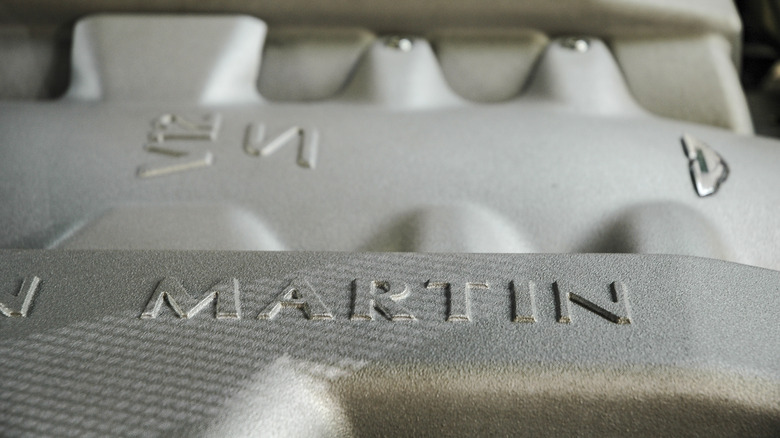
Despite these differences, there are undeniable links between the AM V12 and the Duratec V6. Cosworth, the British engineering firm that helped develop the V12, worked closely with Ford on several internal components, including pistons, valves, rocker arms, connecting rods, and cam profiles. These shared elements highlight a level of collaboration that goes beyond mere coincidence.
Interestingly, the Duratec V6 itself wasn't entirely Ford’s creation. Its early development involved input from Porsche, a legendary name in sports car engineering. Ford then refined the design before it appeared in various models, including the Jaguar S-Type, Mazda CX-9, and the Ford Mondeo. This cross-pollination of ideas may have contributed to the confusion surrounding the V12’s origins.
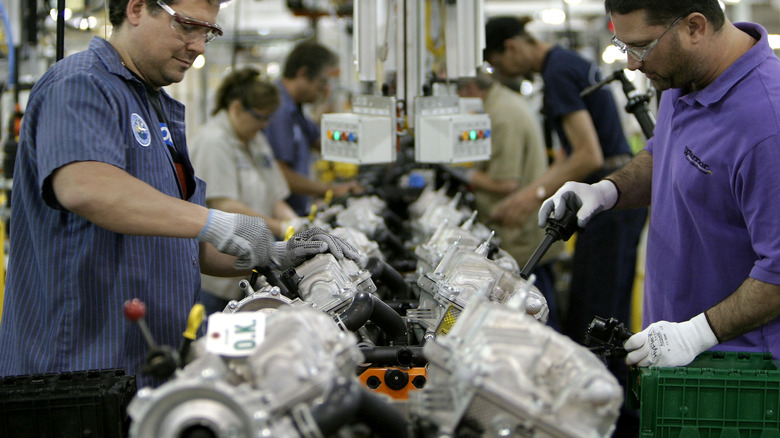
While the AM V12 and the Duratec V6 share some commonalities, they are fundamentally different engines. The V12 was built with performance in mind, while the V6 was designed for broader applications. Comparing them is like looking at two relatives with similar features but vastly different lifestyles. One is a high-performing athlete, while the other is a hardworking professional—both impressive in their own right.
In conclusion, the idea that the AM V12 was just two Ford V6s stuck together is a myth that has persisted due to the close relationship between Ford and Aston Martin during the late 20th century. However, the V12 stands as a testament to Aston Martin’s engineering prowess and its commitment to delivering high-performance vehicles. While there are clear links to the Duratec V6, the V12 is a unique and sophisticated engine that deserves recognition for its own merits.
Post a Comment for "The Truth About the Aston Martin V12 Myth"