
Ford's AI Test Fails, Humans Rehired After Robot Shortcomings
Ford's Shift in Strategy: Combining AI with Engineering Expertise
Ford has acknowledged that its initial reliance on artificial intelligence (AI) to drive quality improvements was insufficient. The company has since taken a different approach by hiring hundreds of experienced engineers to address long-standing quality issues that have cost the automaker billions of dollars.
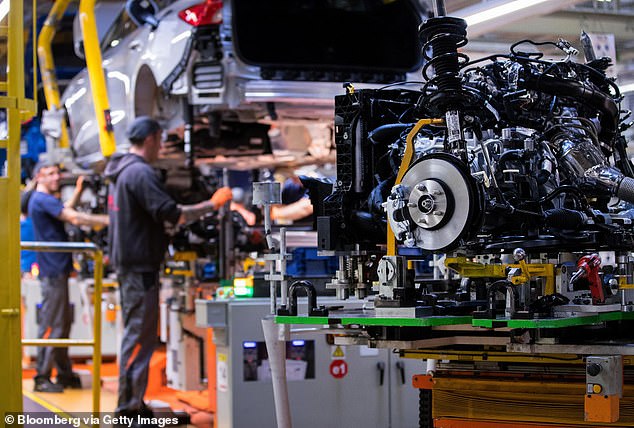
Over the past three years, Ford has brought on more than 350 veteran engineers to help improve the quality of its vehicles. These individuals, often referred to as "gray beard" engineers, are typically former Ford employees or professionals from suppliers who bring decades of industry experience. Their role has been critical in reprogramming the company’s AI tools and identifying quality problems that were previously overlooked.
Ford has not abandoned AI altogether. Instead, the company is now combining the technology with traditional engineering expertise to achieve better results. A Ford spokesperson emphasized that this new strategy has allowed the company to view the entire vehicle lifecycle—from software development to production—as a continuous and collaborative process.
"This reorg allowed us to look at the entire lifecycle of a vehicle – from software development to suppliers on our plant floor - as one continuous and collaborative flow," the spokesperson said. "At the same time, we have rallied the whole company around a clear vision: Quality Comes First."
The company has also focused on building a culture of problem-solving and recognizing teams that prevent issues from reaching customers. While AI is still used, it is considered just one tool among many, alongside traditional manufacturing methods and the expertise of experienced engineers.
The Role of Experienced Engineers
Charles Poon, Ford’s vice president of vehicle hardware engineering, explained that AI is only as effective as the data it is trained on. “Artificial intelligence is a fantastic tool, but it's only as good as the information you use to train it,” he said during a call with reporters.
Poon noted that over the past few years, Ford did not pay enough attention to the experience of its most knowledgeable engineers. This oversight led to gaps in the quality control process. To address this, the company has implemented mandatory meetings to troubleshoot quality issues and reprogrammed AI tools to detect glitches before they occur.
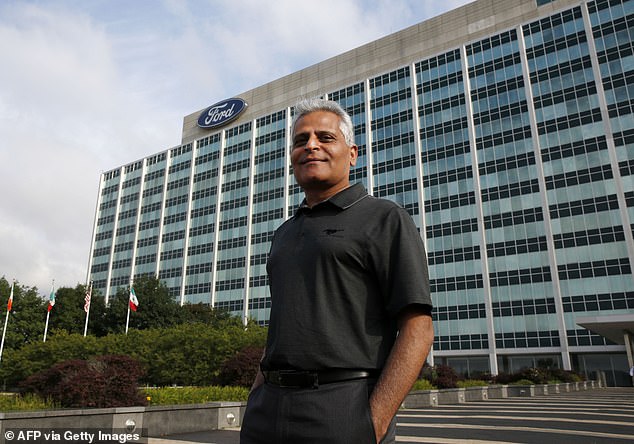
Kumar Galhotra, Ford’s chief operating officer, acknowledged that relying solely on automated quality systems did not produce the desired results. As a result, Ford has brought back technical specialists to identify failure points before parts even reach the plant floor.
Improved Quality and Cost Savings
Ford claims that pairing experienced engineers with AI tools has significantly improved vehicle quality. CEO Jim Farley stated that the company is seeing a decrease in warranty coverage and recall costs, which is contributing to substantial cost savings.
“We're seeing our warranty coverages come down. We're seeing our recall costs come down,” Farley said. “These are all contributing to literally hundreds and hundreds of millions of dollars of a tailwind for Ford on cost.”
The company remains on track to achieve its goal of cutting $1 billion in costs this year. However, despite these improvements, Ford is still the most recalled automaker in the United States. The company expects about $1 billion in warranty and material costs this year.
Galhotra described recalls as a "lagging indicator" of vehicle quality and predicted that recall numbers would decline as newer models reach customers. By focusing on preventing issues upfront, Ford expects to see a steady reduction in recalls with the introduction of newer vehicles.
A New Era of Quality
Ford’s efforts to combine AI with engineering expertise have led to a significant turnaround in quality rankings. The company recently climbed to the top of J.D. Power’s Initial Quality Study among mainstream brands, surpassing rivals Toyota and Honda. Only luxury brands Porsche and Genesis ranked higher overall.
This achievement marks a dramatic improvement from last year, when Ford ranked 10th among mainstream brands and below the industry average. Three Ford models—the F-150 pickup, Super Duty truck, and Mustang sports car—ranked highest in their respective categories.
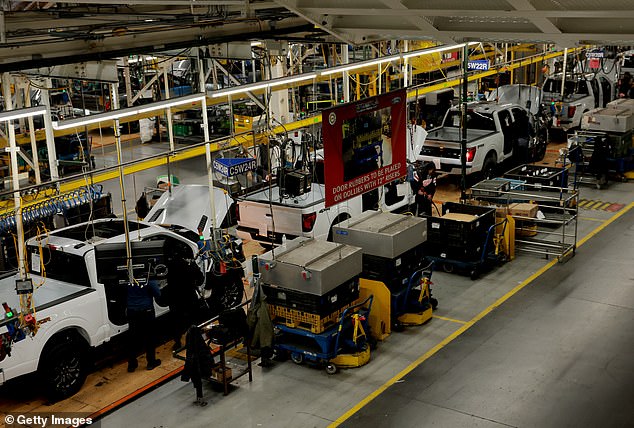
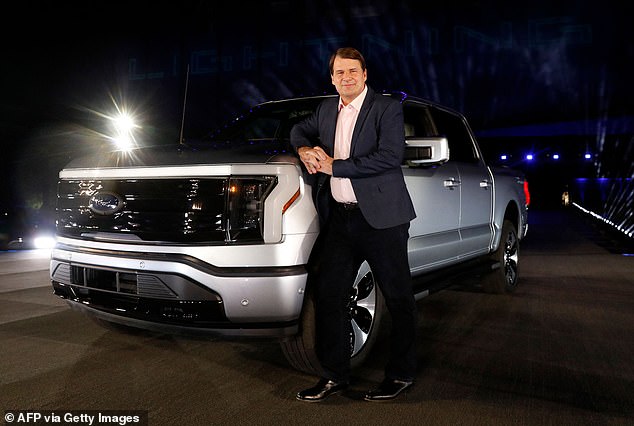
While Ford continues to face challenges with recalls, the shift toward integrating AI with experienced engineering has clearly had a positive impact. The company’s focus on quality and proactive problem-solving appears to be paying off, setting the stage for future success.
Post a Comment for "Ford's AI Test Fails, Humans Rehired After Robot Shortcomings"